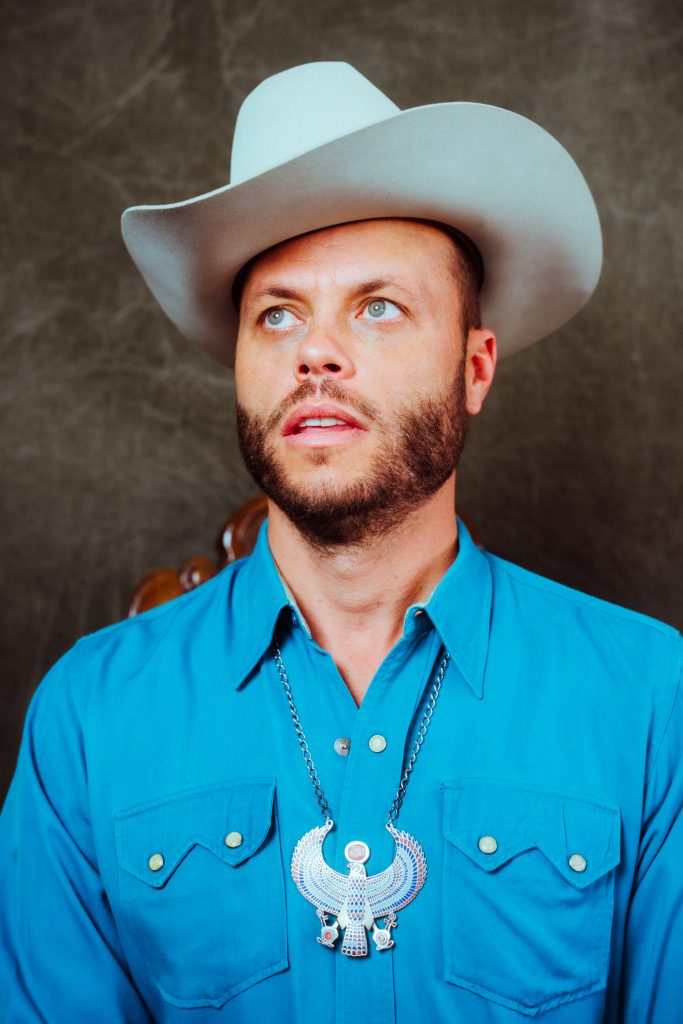
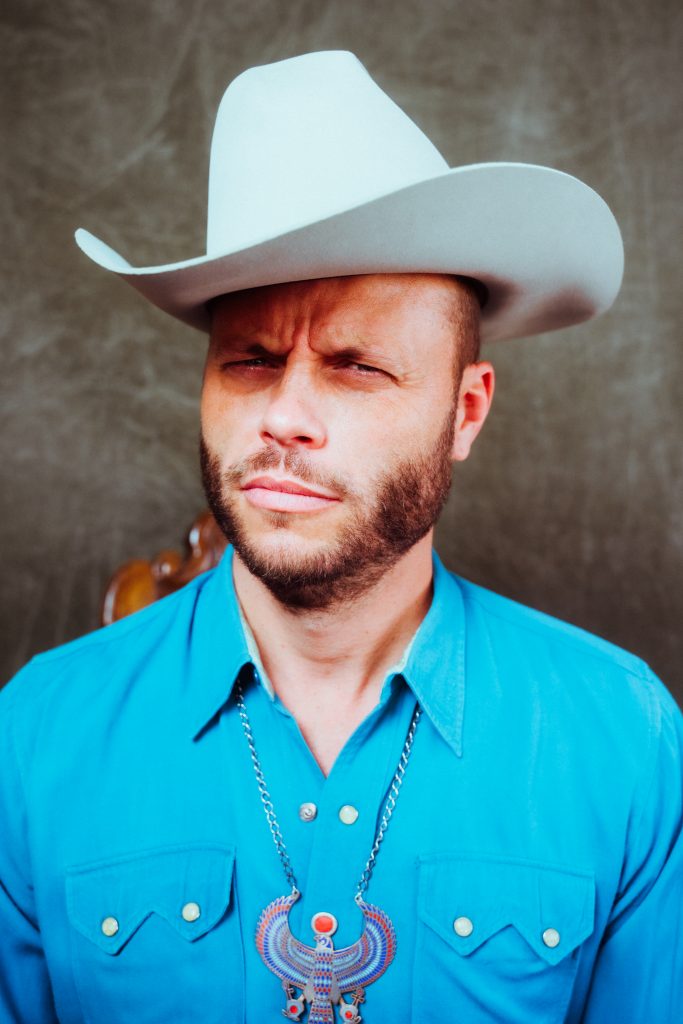
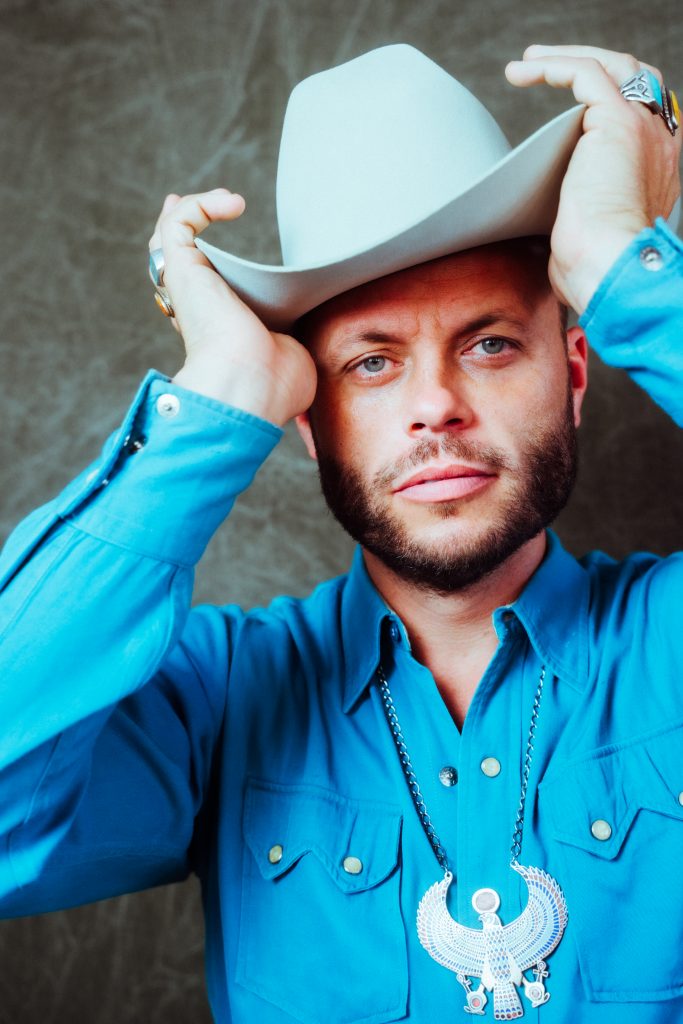
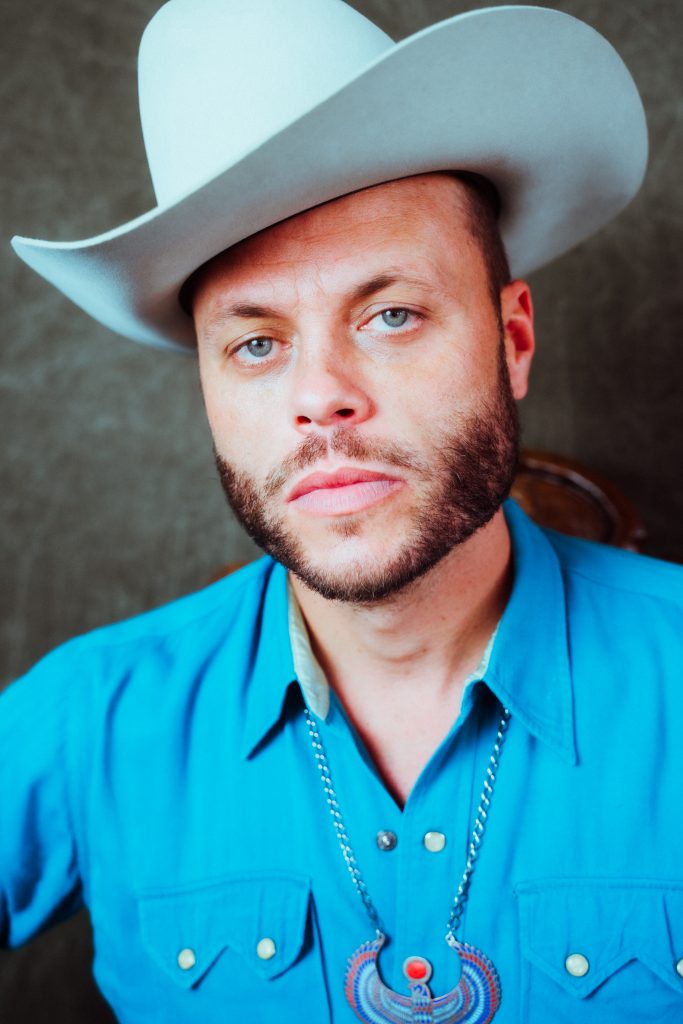
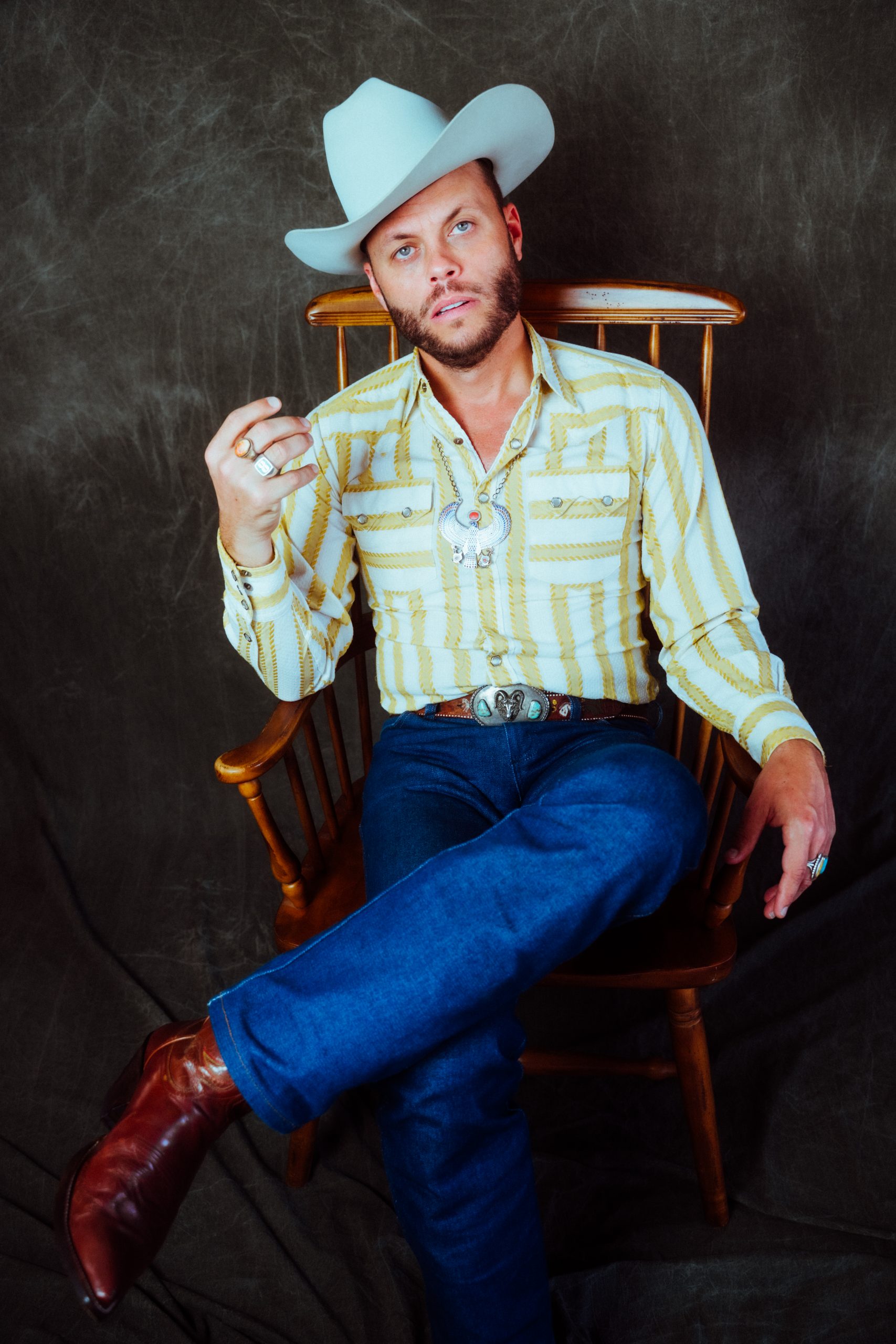
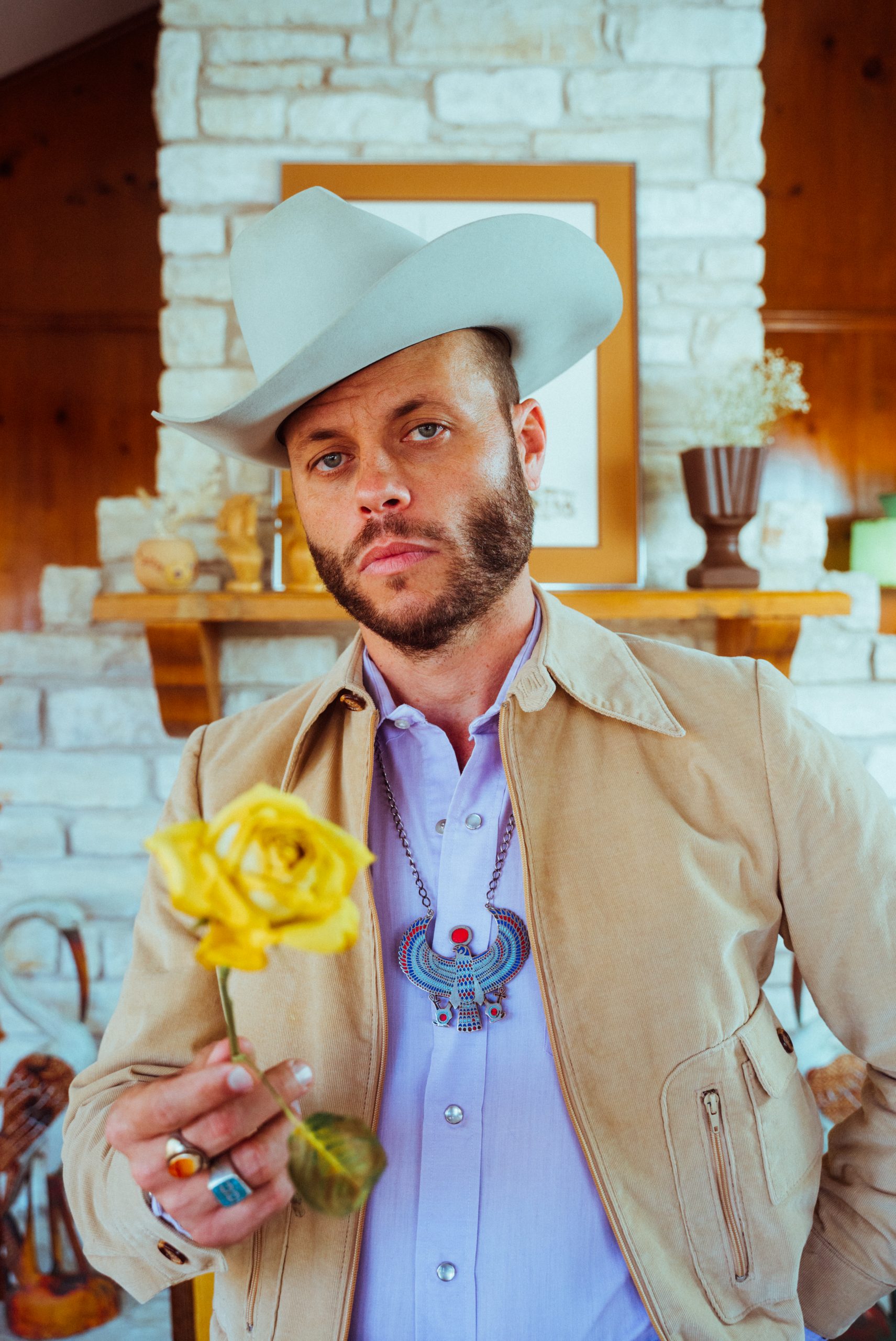
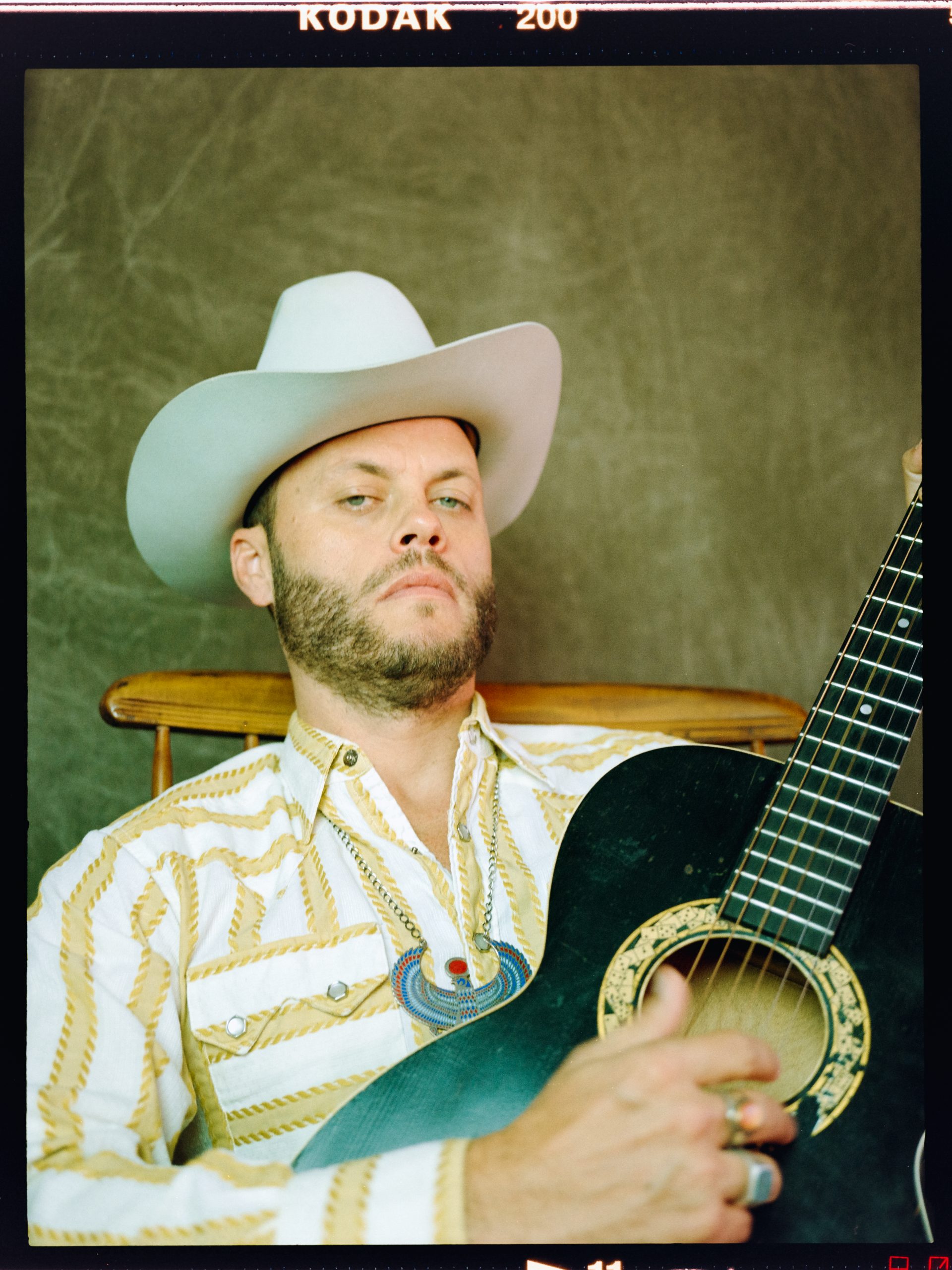
Speedy Sparks

Thinking a few things about Speedy Sparks….

He was one of the first friends I made through music when I moved to Austin in 1973, working for Carlyne and George Majewski at Soap Creek Saloon bartending and helping out Jim Groenewegen, Doug Sahm’s official roadie. He was from Houston, I was from Fort Worth. We both moved to Austin for the music.
He was there when Freddy Fender emerged from obscurity to play a show at Soap Creek with Doug Sahm, a gig that effectively jumpstarted Fender’s career, and when Esteban Jordan aka Steve Jordan brought his psychedelic conjunto accordion to the club.
Next thing I knew, Speedy was playing bass in El Molino, the Tex-Mex ensemble put together by Joe Carrasco, a Sir Doug protege. He was paired up with drummer Richard “Eh-Eh” Elizondo, a four-fingered dwarf from San Antonio with his own language to make for one of the unlikeliest rhythm sections I’ve ever heard.
Speedy’s father was an opera singer.
Speedy resided for many years at the Red River Motors/Washington Motors compound on Red River Street south of Cesar Chavez Street, a collection of houses and cars and trucks and buses overseen by Artie Osborn and Doug Breeding, directly across the street from what is now the tallest skyscraper in Texas. This was the last honest hippie hang in Austin – a great place to find a cheap used car or hear great music, usually on Speedy’s record player.
Speedy was an accomplished musician, but also had a deep understanding where music came from. He knew his history. He told me when he was a teenager in Houston, he used to run with Chuck Dunaway, the disc jockey on KILT radio, Houston’s Top 40 station, who had the ears of teenagers throughout the Houston area. Dunaway took Speedy to see and hear rhythm ‘n’ blues acts like Bobby Blue Bland and Little Junior Parker.
Speedy started playing with several bands, notably the Bizarros, with whom he shared the stage with drummer Bill Bentley and guitarist Sterling Morrison, a University of Texas grad student of Medieval Literature and former member of the avant-garde band The Velvet Underground.
By 1981, he was the bass player in the reconstituted Sir Douglas Quintet and hit the road with Doug Sahm and Augie Meyers throughout the United States and Europe. Speedy emulated Doug in finding good places to eat on the road, no matter where they were, and on his own, sought out landmarks and points of interest, especially related to music. His curiosity was unlimited.
Ask music people in Amsterdam, Stockholm, and Norway: they all know Speedy Sparks.
When Patrick Mathe of New Rose Records in Paris, France came to Austin, Speedy became his producer, A&R man, and bandleader, producing and playing on Roky Erickson’s album All That May Do My Rhyme, featuring “Clear Night For Love,” the psychedelic singer’s most Buddy Holly-esque rendering ever. Roky and Speedy were Buddy Holly nuts.
A connoisseur of the 45 rpm single, Speedy started his own company, Dynamic Records, as a goof. He collaborated with an exceptionally talented guitarist named Junior Brown to release the single “Too Many Nights In the Roadhouse” b/w “My Baby Don’t Dance to Nothing But Ernest Tubb,” unwittingly launching the solo career of the master of the Guit-Steel. (Read Junior’s recollections on Facebook: Speedy and Junior weren’t trying to do anything other than have a goof making a record).
He said he wanted to make a record singing in Czech. He grew up loving Tex-Czech because that was what he heard when he visited his grandparents in Brenham.
Speedy was a happy sideman. He wasn’t a mic hog and didn’t need the spotlight. Playing in the band is what mattered. He made his own record on Dynamic – “OK, Let’s Play,” which became the title of Speedy’s solo album.
He revived the career of George Tomsco, the guitarist in the West Texas-New Mexico rock and roll band, The Fireballs, by accompanying George on playdates around Austin.
He raised Charlie and Will Sexton. Speedy had dated their mother Kay Sexton, and took them in when they left their home in Wimberley in their early teens, providing them a musical education as they grew into artists in their own right.
He played bass in the Texas Tornados, the supergroup with Freddy Fender, Flaco Jimenez, Doug Sahm, and Augie Meyers – Sahm called them “the Tex-Mex Beatles,” won a Grammy, and toured the world.
He understood Homer Henderson.
He understood James Hand, the prickly neo-traditional country singer, and played in his band until Hand’s passing.
He played in more bands in Austin than any single person I know – Del Rio, the Nortons, the Mystic Knights of the Sea, the Koolerators, TG Band, the John X. Reed Band, Alvin Crow, Leroi Brothers, Teddy and the Tall Tops, The Texas Mavericks, The Rhythm Rats, Ben Vaughn, Lazy Lester, and….[add your band here].
He drove cabs for Roy’s Taxis, along with songwriter Rich Minus.
He was a regular at the Continental Club, the Hole-in-the-Wall, Black Cat, Saxon Pub, C-Boys, Soap Creek, Antone’s, Blondie’s, After Ours, Austex, Duke’s, Club Foot, Sam’s, Ginny’s, Henry’s, Giddy Up’s– anywhere where there was music
He was part of the Eve Monsees-Mike Buck orbit as a charter member of Eve & the Exiles, and traveled with them to the retro-rock Ponderosa Stomp in New Orleans several times and recently played and recorded with them in Memphis and in Mississippi.
He was the best, most honest character in my documentary film “Sir Doug & The Genuine Texas Cosmic Groove“
His bass was always refined and understated, simply pouring the foundation for any cool groove. His style provided the path for several generations of bassists who have followed him.
He liked to ride trains and to smoke good weed.
He defines everything great and lasting about Austin music.
The last words I spoke to him was “I love you.”
His last words to me were “I love you too.”
So long, Speedy, it was really, really good to know you.
Continue Reading

Michael Corcoran and his Austin Music book

https://texashighways.com/culture/a-new-book-looks-at-100-years-of-austin-music/

Austin Music is A Scene Not a Sound is one of the clunkiest book titles I’ve come across in quite a while. But after reading Michael Corcoran’s 150-year history of Austin music, the title makes perfect sense.

Music has always been a participatory exchange between performer and audience when you think about it, even if the communication goes no further than the sound of hands clapping. In Austin, where the oldest business in the city (and the whole state) is Scholz Garden, a beer hall founded by a singing club, the scene makes the music. Dancing remains a deep tradition, and more recent physical expressions such as slam dancing, mixing it up in the mosh pit, and stage diving have carved their own niches.

Corcoran, a writer for this magazine, has a long history as a smart-ass music columnist for the Austin Chronicle (and as their sports columnist who called himself Red Corcoran), the country music critic for the Dallas Morning News, the Austin American-Statesman gossip columnist, stringer for the National Enquirer. One of his finest missives about Austin was a 2012 blog headlined “Welcome to Mediocre, Texas,” teasing the music scene’s inflated sense of itself, observing that “in nearly 50 years as a hotbed, Austin has not produced a single Rock and Roll Hall of Fame nominee. Timbuk 3 ain’t gonna make it, folks. Rock stars aren’t launched here, they go to Austin to retire, work the steps, and wait for their Margaret Moser profile.”

Corcoran is also a serious music historian who shined a light on the blind gospel singer and pianist Arizona Dranes, settled some doubts about where deep blues master Blind Willie Johnson died, and documented Washington Phillips and his unusual stringed instrument, the manzarene. He’s the star of the film documentary about the Jones Family Singers gospel group, whom he “discovered.” He also wrote two very good history books about Texas music, All Over the Map: True Heroes of Texas Music and [Ghost Notes] Pioneering Spirits of Texas Music. 


Both of Corcoran’s roles come through in his latest book, which was released by TCU Press at the end of January. The historian emerges early, citing the German community for institutionalizing music in Austin, not at Scholz, but at Turner Hall, built in 1872, which he called Austin’s first dedicated music venue. He introduces ensembles such as Steve Gardner and His Hokum Kings, the all-female Texettes, and George Corley and His Royal Aces, a nine-piece “colored orchestra.”

Austin music, the way Corcoran writes it, isn’t a sound so much as an attitude and permission to cut loose with music. Local music hubs are detailed: Sixth Street long before Dirty Sixth, Red River when it was part of what was known as The Dogleg, the Drag by UT Austin, and East Eleventh and East Twelfth where most of the Black clubs were.

So are eras: post-war country, early rock and roll, folk revivals, the birth of the Cosmic Cowboy, and hardcore punk. The Armadillo World Headquarters, Split Rail, Broken Spoke, and Soap Creek Saloon and Continental Club get their due as significant venues, as do lesser-known joints like Henry’s, the Back Room, Charlie’s Playhouse, the Skyline, Mother Earth, and the Victory Grill.

Radio is recognized mainly through the influence of KOKE FM Super Roper Radio disc jockey and newspaper columnist Joe Gracey, a major player in 1970s Austin, along with the Black disc jockeys at KVET and Tony Von at KTAE in Taylor. Inner Sanctum and Waterloo Records get props as critical community hubs that built scenes.

The fun is in the details. I personally knew old-timers cited, including Robert Shaw, the Grey Ghost, Gene Snowden, and Ray Campi. But I didn’t know Charlie Giddens, and that he owned both Charlie’s Playhouse in East Austin, home of HL Hubbard and the Jets, and Ernie’s Chicken Shack, an afterhours joint at the end of Webberville Road with gambling in the back (the writer Nick Tosches showed up at my door at 5 a.m. one morning saying the 50 bucks he lost shooting craps at Ernie’s was the best money he’d ever spent).

Janis Joplin, Willie Nelson, and Stevie Ray Vaughan are celebrated, but what makes the scene are the less-well-known characters such as Smokey Rhodes the dancer, Western band Dolores and the Bluebonnet Boys, gospel entrepreneur Junior Franklin, singer-songwriters Townes Van Zandt and Daniel Johnston, and glam blues rockers Krackerjack.

Once the storytelling gets to the early 1980s, Corcoran the historian yields to Corky, the redheaded punk with the pointed pen. That’s when Corcoran, who grew up in Honolulu, hit town with his friend the tattoo artist Rollo Banks and set up shop on The Drag just down the block from Raul’s.

His personal recall of nights at the Beach, the Black Cat, and Liberty Lunch is laced with snark, mean-girl jabs, and speed, which kind of disrupts the historical flow, but is so enthusiastic and heartfelt—sentimental, even—that I can’t think of a better way to explain Austin music’s appeal. On a good night, in the right club, with the right band hitting the note, even the crankiest hardass can turn into a slobbering fanboy.

Corcoran and I were on a weekly Zoom call that started before the pandemic. We talked about this book a lot. He supported himself during the writing process by posting segments on Substack, promising subscribers AMIASNAS when it was published.

Last July, after edits, arguments, and back-and-forths about the title and the cover, and other conundrums that go with making a book, he finally declared himself done.

His history of Austin ends in the late 1980s with the birth of South By Southwest. Some of the chronology is picked up in a companion memoir Corcoran also finished, titled Overserved. He was pushing himself, he said, because he wanted to leave a legacy. Now he was ready for a break.

There would be more books, he hoped. He’d spent time last spring at the Smithsonian Institute in Washington at the invitation of John Troutman, curator of music and musical instruments at the Smithsonian’s National Museum of American History. He came back saying there were three books he needed to write, starting with a biography of the Texas blues pioneer Blind Lemon Jefferson.

Two days after I left for vacation in New Mexico last July, I got the call. Michael had died. It’s been a gut check ever since. No one I know was into Austin music like he was, and no one was as acerbic, witty, funny and insightful in writing about it. I enjoyed reading him no matter if I liked the music he was writing about or not (eg. Oasis). I eagerly anticipated the Zoom calls to hear what kind of dirt Corcoran had dug up, or hear his opinion of the latest new shiny thing. The sadness of his passing is tempered by the arrival of this book with the long title.

As for that legacy he was after, I know Austin music pretty well—well enough to have reminded Corcoran many times that he got to Austin 10 years too late, which is what older Austin folks like me like to tell younger Austin folks like him. Knowing what I know, I’d say that this book is all the legacy he could have wished for.

Continue Reading

Gliding over Marfa

https://texashighways.com/travel/gliding-through-the-skies-over-marfa/

A man in a red button-down shirt and red sunglasses stands next to a small glider plane in the desert.
Sarah M. Vasquez photo  – Burt Compton has been flying in Marfa since he moved to town in 2001.

Long before Marfa was an art town, a wedding events destination, the embodiment of small town cool—and even before the Marfa Lights—there was the Marfa Dry Line. It’s the invisible division where dry Pacific air meets warm moist air from the Gulf of Mexico that made Far West Texas weather special.

Burt Compton saw it as a teenager.  “Dad and I came here in ’67 to fly,” he says. His father, a glider pilot who owned a glider port in south Florida, regarded Marfa highly. The location had all the right ingredients for the pursuit of motorless flight: vast flatlands surrounded by mountains with plenty of thermal updrafts to ride, along with the Marfa Dry Line.

As an adult, Compton became so smitten with the conditions, he sold his glider operation in Miami and moved to Marfa in 2001.

“Marfa’s the place for soaring in America,” he declares emphatically. “The World Gliding Championships in 1970 [in Marfa] was the first championship ever held in the United States. Neil Armstrong flew gliders here before he walked on the moon.”

It was the golden era of gliding thanks to improved technology and use of fiberglass and composites in construction. On July 31, 1964, Al Parker became the first glider pilot to soar more than 1,000 kilometers nonstop when he piloted his Sisu sailplane from Odessa to Kimball, Nebraska, a distance of 647 miles.

Compton’s FAA certification as a gliding instructor and pilot examiner takes him around the United States and frequently to Germany, where soaring first took hold, to certify pilots who want to fly in the U.S. on vacation.

In Marfa, he’s either flying, instructing locals, piloting passenger rides, or hanging out in the hangar, which is the staging area for the current Oktoberfest Annual Vintage/ Classic Sailplane Rally that runs through Oct. 18.

I booked a ride for $160, arriving at Marfa Municipal Airport at the appointed time on a weekday afternoon in late September. I follow the glider signs on the gravel road to an isolated hangar at the north end of the airport, headquarters of Compton’s Marfa Gliders Soaring Center. Compton and his crew of two, James Lewis and Bo Peebles, stand outside, scanning the skies looking for a glider circling high above the airport. A single engine Cessna piloted by John Cone flies by the hangar, dropping a tow rope.

Several white signs that have different town names, states, and countries plus mileage from Marfa are attached to a metal post facing the directions of their location.
Sarah M. VasquezThese flags represent the places Compton has been around the world.

It’s a “Blue Day,” in glider speak, meaning no clouds. Dry thermals, the magic ingredient that gives lift, are hard to see. With clouds, the thermals are directly beneath them. “That’s OK, because there’s still updrafts,” Compton explains. ”The sun heats the ground, the warm air is less dense than the surrounding air, so it rises in a column.” That’s what he’d be looking for.

Think of it as on ocean of air, he says. “There are currents and eddies. My Cessna 182 single engine airplane will tow us skyward with a 200-foot rope, like a motorboat towing a water skier,” he says. “I’m trying to fly just above the tow plane’s wake for the smoothest climb up that we can. That’s the bumpiest part of the ride.”

Lewis and Peebles push the glider, a German Schleicher ASK-13 two-seat trainer with a bright red fuselage and yellow wings, out of the hangar. They scan the skies for incoming air traffic. KMRF, like 95% of all airports in the United States, does not have a control tower, Compton explains.

Once the glider is in position, Compton shows me how it all works inside the cockpit. “There’s one lever here, we don’t know what it does. So don’t touch anything,” he jokes. He explains that the spoilers on the wings are air brakes, which are used to slow down, and how the glider flies without an engine. “Wings resisting gravity makes us fly forward, like a sled on a hill. A motorized plane is like a speedboat. This is like a sailboat, you got to keep thinking about the wind, updrafts. It’s like chess to checkers.”

My small frame allows a relatively easy squeeze into the seat behind Compton, although space is so tight, I remove my gimme cap lest it scrape against the clear canopy. A side vent is left open for air. Compton points to the side pocket where the barf bag was in case of motion sickness.

The day before, my wife reminded me that I’ve tossed my cookies in a helicopter flying over the Grand Canyon and in a DC 3 flying over the Rockies in a very turbulent snowstorm. Heck, I’ve gotten sick on a Tilt-A-Whirl. This would be interesting.

Safety harness secured by the crew, Compton continues the prep. “I’m going to ask you every few minutes, ‘How do you feel on a scale of one to 10?’ 10 being you’re good, 11 being this is the coolest thing you’ve ever done in your life,” Compton says as the cockpit closes. “If you’re below a 9 or 8, I’m going to bring you down smoothly and quickly.”

He completes his checklist, announcing his airbrakes are closed and locked. “Just don’t touch nothing,” he says. “Here we go.”

Compton warned me the takeoff would be noisy but as soon as the tow plane was airborne, I felt like I was waterskiing, sliding over the water from wake to wake. Then came enough of a bump for me to go “Whoa!” loud enough for Compton to chuckle over my response. “As a glider pilot, I’m saying ‘Good! There be updrafts!’”

A small glider plan lifts off the tarmac in the desert.
Sarah M. Vasquez photo   Compton flies his glider at the Marfa Municipal Airport.

We release from the tow plane and things go quiet. No more engine buzz from the tow plane, just the sounds of the cool wind rushing through the side vent. Compton’s relaxed, clearly in his element, as he begings pointing out features in the brown landscape we’re flying above. “This is the Marfa plateau—desert grasslands. No oil here,” he says. “They keep trying to find it. There’s Cathedral Peak out there. There’s our golf course over there, with the trees. Highest in Texas, nine holes. There’s Marfa town.”

He keeps asking about my welfare and I tell him I’m a 9 or 10, although I did say 9 or 8 once. It’s an exciting sensation floating on an ocean of air, enough of an exotic thrill that Compton’s experience and constant monitoring of my well-being puts me at ease.  As he reminds me, “I can land anytime you say.”

In the bright blue sky, I squint to see the Chisos Mountains of the Big Bend visible to the south through a faint haze.

“We’re just riding the waves,” Compton says. “Isn’t this beautiful?’

He talks about the history of Marfa as an 1880s railroad water stop named by a rail engineer’s wife who was reading the Brothers Karamazov by Dostoevsky. Our conversation turns casual to menu prices at local restaurants while the side vent blows cool breezes into the cockpit like a big fan. Although summer is peak season for thermal updrafts, Compton says he prefers gliding in late spring and early fall to avoid the heat.

After about 20 minutes of circling over the Marfa Highlands, Compton checks in with the crew on the runway to see if it’s clear to land, then announces with a trace of resignation, “Well, I guess I better go on in.”

“Noooo” I protest.

“You want to go again?” he asks as we descend.

So we do. The second time around, Compton catches more updrafts, with the needle on the variometer in front of me jumping as the glider climbs hundreds of feet in altitude in a matter of seconds. No barf bag needed. In that moment, I know what it feels like to be a bird. Maybe even better.


Continue Reading

Who is Bozo Texino?

Bill Daniel knows more about Bozo Texino than anyone on this planet.

https://texashighways.com/culture/in-search-of-bozo-texino/

In Search of Bozo Texino

Who is Bozo Texino? That’s a good question in need of some explaining. But better to ask first: What is Bozo Texino?

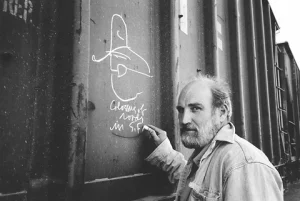
Bozo Texino is graffiti. The marking is a simple image of a human head with a pipe or a hand-rolled cigarette—also known as a “quirly”—extending out of the side of the mouth, topped by a cowboy hat whose wide brim resembles the infinity symbol. Sometimes smoke-like dots rise above the cig. The name, often paired with the cowboy doodle, is an intriguing mix of “The World’s Most Famous Clown” from long ago and geographic-specificity with a hint of Spanish thrown in.

The drawing, which is sometimes in chalk or oil bar, started appearing on railroad cars and in railyards 90 years ago. For the next 50 years, Bozo Texino became an iconic figure among hobos, tramps, rail riders, and train buffs.

But Bozo Texino almost disappeared until Bill Daniel came along. Daniel is a filmmaker, photographer, and curator who grew up in Dallas. He once lived near the Santa Fe railyards next to Exposition Park where he developed a fascination with trains and, especially, boxcar graffiti. Here was an underground culture like the punk scene he knew.

That prompted Daniel to ride the rails for 16 years, 16mm Bolex camera in hand, documenting the rail-riding culture in black and white “at considerable risk from speeding freight trains,” he says.

His adventures “in search of unknown folk heroes and graffiti artists,” as he describes them, culminated in an experimental documentary film, a DVD, and a book all about the 100-year tradition of hobo and rail worker graffiti, with a specific focus on the graffiti image of Bozo Texino.

Who Is Bozo Texino? The Secret History of Hobo Graffiti is a rugged ride on the rails with independent-minded, artistic misfits who choose to live outside traditional boundaries and laws.

The film is edgy and archival at once, drilling deep in the nomadic lifestyles of the hobo and the tramp, profiling graffiti artists including Herby, The Rambler, and buZ blurr aka The Colossus of Roads, while pointing out the differences separating hobos from tramps and bums. Austin punk rock trailblazer Tim Kerr contributed several tunes to the bluesy, acoustic soundtrack.

Since its completion in 2005, Who is Bozo Texino?  has screened at over 400 venues, including the Museum of Modern Art in New York, Slab City at the Salton Sea, Key West, and earlier this year, Amsterdam, since its completion in 2005. He has earned numerous citations for his efforts. As he writes on his website, these accolades include “Illegal Inhabitation of a Motor Vehicle, a Guggenheim Fellowship, and a prized NYC Open Container Violation.”

I’m not going to give away the plot, other than to say there is resolution to Daniel’s question, and that Houston, San Antonio, and Laredo are involved. You’ll just have to watch the film to find out. billdaniel.net has DVDs available.

Daniel has occupied odd and unusual spaces around Texas over the years in Houston, Austin, San Antonio, Dallas, Pasadena, and New Braunfels, where he was caretaker of a shuttered textile mill. These spaces also include a warehouse in Galveston and a former washateria in Waxahachie. He is currently ensconced in a toyhauler RV in the Sacramento Delta of California, “eight feet below sea level,” while he’s fixing to move into a studio in San Francisco.

More Bozo Texino ephemera is tucked into the third edition of Mostly True, The West’s Most Popular Hobo Graffiti Magazine, a book disguised as a magazine, dated February 1923 but actually published last year by Microcosm Publishing in Portland. The fanzine of boxcar graffiti and railrider culture, and what Daniel describes as “obscure railroad nostalgia” further cements the bond between hobo and punk cultures.

Daniel credits punks for keeping the hobo and Bozo tradition alive. “Train punks rediscovered freight riding culture in the 1990s, co-inhabiting railroad jungles with the last of the previous generation of hobos, Vietnam veterans, primarily,” he says. “Punks have actively preserved and added to the culture. Who knows where the next generation will come from?”

Bozo Texino, the graffiti, is still around, even though the original artists who created him have been gone for decades. “There are other people who make the drawing and write the name in homage,” Daniel says.

As for the question, who is Bozo Texino? Daniel laughs. “The answer turned out much greater than the question. I’m still surprised at where ole Bozo still pops up,” he says. “Bozo Texino just keeps going in the world because of two things—graffiti culture and punk train rider culture. They’ve spawned a new form of rail fandom. The world of rail fandom now includes graffiti nerds and moniker nerds.”

Continue Reading

The Ballad of Charley Crockett – my story in Cowboys & Indians

https://www.cowboysindians.com/2024/03/the-ballad-of-charley-crockett/

BY Joe Nick Patoski

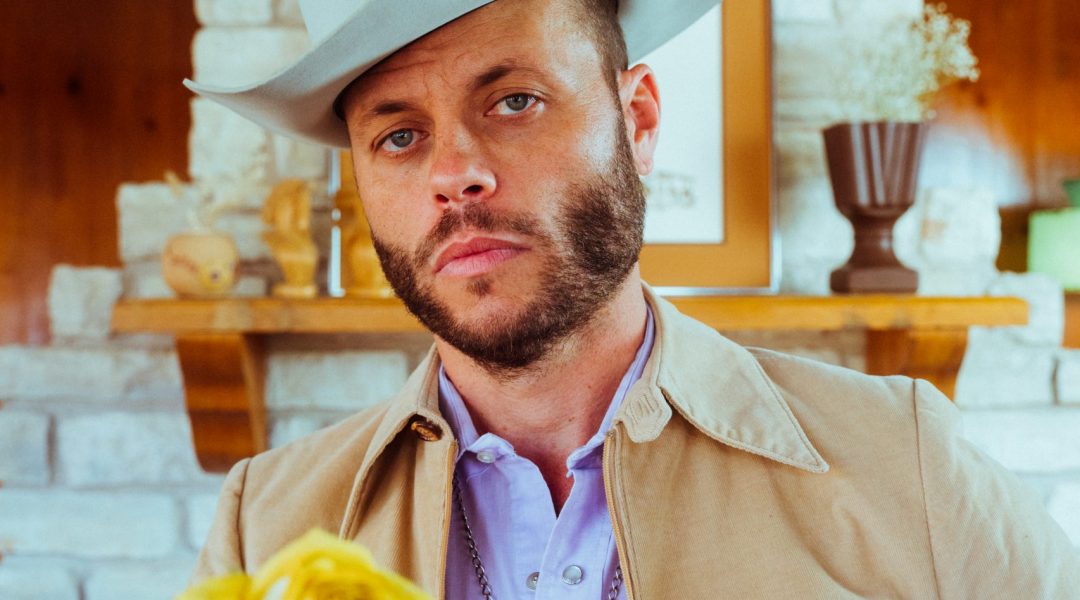
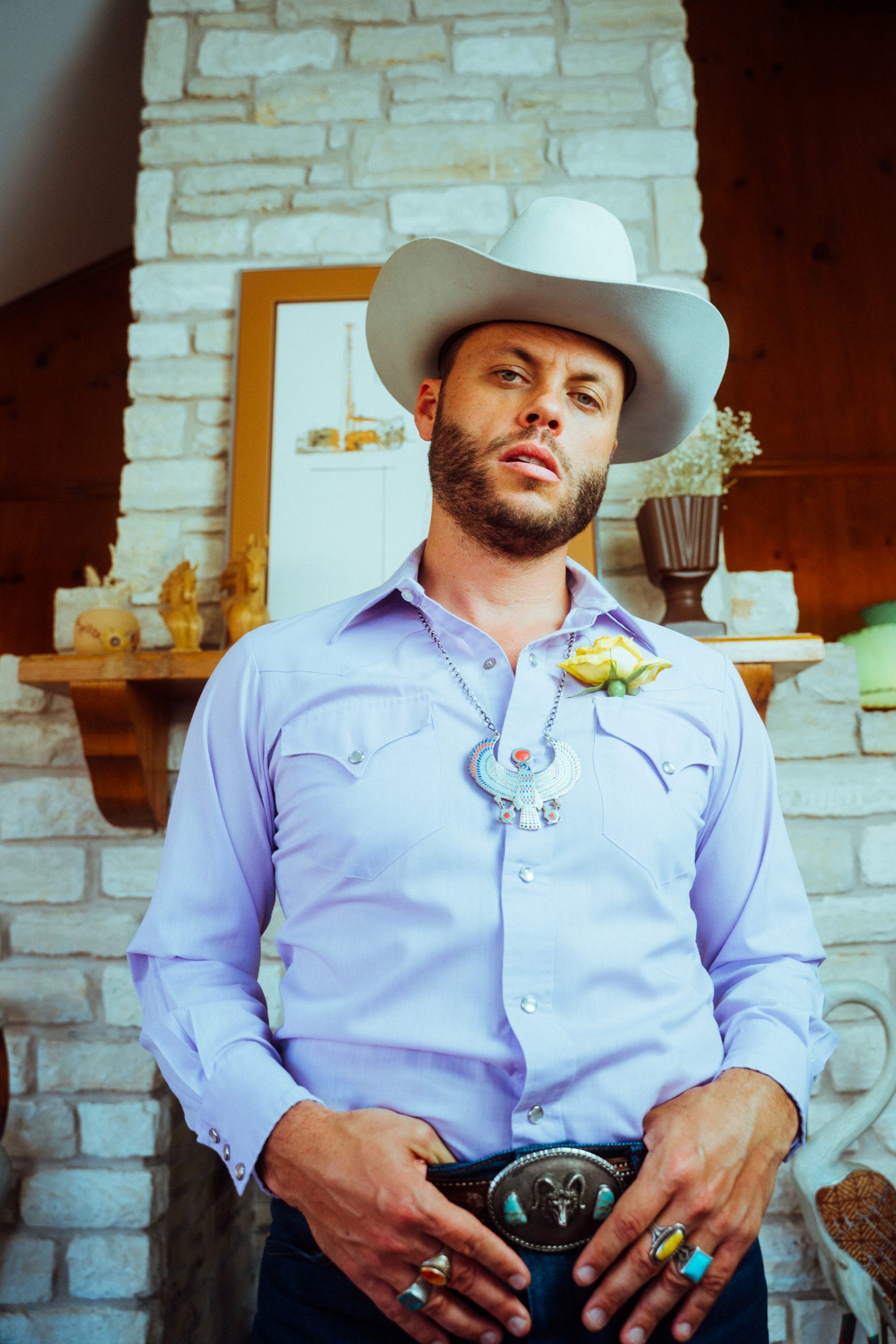
With vocal prowess and unparalleled vintage cowboy style, up-and-coming Texas crooner Charley Crockett is laying down the tracks of a lasting musical legacy.

In previous conversations, Charley talked my ear off, always sounding like a man on a mission trying to jam a whole lot into just a little bit. But here in a spacious, air-conditioned backstage area with all the creature comforts within reach — “Topo? Ranch water?” — and a luxurious touring bus parked outside (“I got it from Florida Coaches with Willie’s recommendation”), he was more relaxed, measured.

Years of playing on the street, years of playing with bands, appeared to be paying off.

“I just got lucky from where I was stepping off of the street and learning how to front bands and play clubs, mostly through informal blues jams around Dallas, Fort Worth, New Orleans, and in Austin,” Crockett said.

“I remember, s–t, walking into Sam’s Town Point [in Austin] for Breck English’s blues jam. I was afraid to get on that damn stage because I was such an itinerant.”

He said he’d been nervous when he first started playing big stages, but wasn’t anymore.

Bobby Cochran met Charley at an events center in Ukiah, California, near the marijuana fields of Mendocino County, back in 2012. “He came up with a buddy of his and asked if he could play during our band’s set break,” Cochran recalled. “A few months later, he came into this coffeehouse I managed and asked if he could play in the corner. A week later he came in and played for the afternoon. Mostly it was us, the employees, and him back in the corner. It wasn’t long after that he was collaborating with Kyle Madrigal, a guy I played with in a band. He recorded his first album at Kyle’s house.”

Madrigal recorded Charley singing and playing guitar, then added his own bass and Cochran’s drums. That was the foundation of A Stolen Jewel, Charley Crockett’s first album.

“I got a good vibe from him,” Cochran said. “He seemed like a solid dude, warm, friendly.

“That was the deal: He’d disappear back to Texas, come back to town, play a handful of gigs, hang out, then disappear again. Then he found his band in Dallas.”

The singer had met guitarist Alexis Sanchez at a Dallas blues jam. Even though Sanchez fronted his own band, Charley talked him into joining forces. Sanchez admired his new collaborator’s hustle, which included leaving giveaway copies of his record in the restrooms of clubs where he was playing. He played fair.

Sanchez: “Whatever he’d make from tips or selling CDs, he’d split it with the band.”

“Those guys would be with him whenever he’d come back to Mendo after that,” said Bobby Cochran. “That was the end of my playing in his band. Once he found what he wanted, he was locked into it.”

Charley dodged jail time again, this time for his involvement in marijuana production. He got a $10,000 fine when he showed the judge the record he had just made. He wasn’t an outlaw. He was legit.

The artist first caught my ears and eyes with the video of his original version of “Trinity River,” where he sports a fedora and wingtips, all vintaged-out like a sideman for the Squirrel Nut Zippers, while playing on a Deep Ellum street corner and inside the studio of KNON, Dallas’ cool community radio station. No one ever sung about the Trinity River. The only song I knew was by Oak Cliff ’s T-Bone Walker whose very first record featured “Trinity River Blues,” and released in 1929, years before Walker became the king of electric blues guitar. T-Bone Walker sang, “That dirty, dirty river sure has done me wrong.” Charley Crockett sang his Trinity was the “dirty little river gonna get me clean.”

Crockett said he was in New York City crashing in a Brooklyn indie band’s rehearsal space when T-Bone Walker made him realize the best, easiest way to explain himself.

“I was flipping through an old blues reel book, seeing all these blues names,” he said. “I remember stopping on T-Bone Walker and looking at him, looking at the song, the little chord chart that was denoting the unique style of kind of jazzy blues chord, the shapes he was holding. It was surprising because I’d been holding chords that way since I was a kid. I just never knew what they were called.

“That was the day I no longer was running away from

Texas. I turned around and realized that it was just who I

was.” He affirmed his Texan-ness in a Q&A for Texas Highways magazine: “I got all these managers calling me saying, ‘Look,

Charley, you know the world is bigger than Texas.’ I know this sounds brash, but this is the policy that I have adopted going forward: The world is not bigger than Texas. There is only Texas, and we take Texas to the world. That’s what I have to do. That’s how Stevie Ray Vaughan did it, that’s how ZZ Top did it, that’s how Willie done it, that’s how Selena did it, that’s how Freddy Fender did it.”

Sharing big stages with two of those role models — Willie Nelson and Billy Gibbons of ZZ Top — on the 2022 Outlaw Music Festival tour provided more serious schooling.

That was the day I no longer was running away from Texas. I turned around and realized that it was just who I was.

“When I was out with Willie on the Outlaw Tour, one of the coolest things about it, every time I was near Willie it felt like a cultural event,” he said. “His 90th birthday was absolutely a singular cultural event.” Billy Gibbons — whose band ZZ Top blazed their way into rock arenas wearing cowboy hats, sparkly Nudie suits, and boots, selling an idea of Texas — offered direct advice. “We were talking after one of the shows,” Charley said. Gibbons told him, “Man, that minor [chord] s–t you’re doing with your guitar … don’t let anybody talk you out of that. Keep doing all that minor s–t.” Charley beamed.

“I end up eating off the plate of a simple thing like that for the rest of my life,” he said, reaching deep back to when his legend began. “There was a woman on the street in New Orleans when I was much younger. They called her Angel. She said, ‘Baby, you got a beautiful voice, but you need to learn this one thing. You got to start low if you want to get high.’ She was telling me that I needed to develop and use the power of the lower part of my voice for my diaphragm.” His band, the Blue Drifters, became fully formed in 2017 with the addition of Kullen Fox, a multi-instrumentalist who plays trumpet and accordion as well as keyboards. He’s from Austin, where Charley had relocated.

Crockett’s version of “Jamestown Ferry,” an early ’70s country hit for 13-year-old Tanya Tucker, got traction on social media when the track was released on Lil’G.L.’s Honky Tonk Jubilee, an album of old country covers, released in 2017. More country classics — George Jones’ “The Race Is On,” Ernest Tubb’s “Saturday Satan, Sunday Saint,” Tom T. Hall’s “That’s How I Got to Memphis,” and Danny O’Keefe’s “Good Time Charlie’s Got the Blues” — appeared on 2018’s Lil G.L.’s Blues Bonanza album of covers, along with Crockett blues favorites “T-Bone Shuffle” and “Travelin’ Blues” by T-Bone Walker, and Jimmy Reed’s “Bright Lights, Big City.”

An extended tour that year, opening for the Turnpike Troubadours, the hugely popular Red Dirt indie country band from Oklahoma, tapped into what would become his core audience.

Mark Neill, who had co-produced The Black Keys’ retro rock, reached out to Crockett after hearing some tapes, luring him to his Georgia studio with the promise of making “a real country record.” Two breakthrough albums came out of the collaboration, Welcome to Hard Times and Music City USA, Charley’s country-est records yet. Just as significantly, Neill stressed to Crockett, it’s important to think of songs cinematically.

Lil G.L. Presents Ten For Slim: Charley Crockett Sings James Hand took the hard country affinity to the extreme, paying tribute to the late James “Slim” Hand, an older Texas honky-tonker who became Charley’s mentor and muse for a spell. Hand became such a presence, he played the lead character in the video for “That’s How I Got To Memphis.” The band took to calling him “the man from Waco,” the inspiration for the title of Crockett’s next album, released in 2022.

The Man From Waco, recorded with the Blue Drifters, was supposed to be a demo produced by Bruce Robison at his studio in Lockhart outside of Austin. The tracks would get the full studio treatment later, most likely with mega-producer Rick Rubin at his Shangri-La Studios. Crockett had signed a publishing deal with Rubin, but Rubin as producer would have to wait. The demo was so good, it had to be an album.

The Man From Waco is a western saga, from the first twangs introducing the title track to the lonely Marty Robbins’ trumpet lines. Places that don’t get mythologized much like Waco and Odessa are enshrined. There is a sweet murder ballad, “July Jackson,” a new version of “Trinity River” that passes for swinging jazz, and a nod to his personal marketing strategy, “Name On A Billboard.”

In September 2023, Live from the Ryman, documenting his first performance at the Mother Church of Country Music in Nashville, was released as an album and video, capturing Crockett’s smoldering, restrained appeal. If bending the knees was good enough for Hank Williams and swiveling the hips defined Elvis, those stage moves were good enough for him.

That same month, he released a track “Killers of The Flower Moon,” produced by T-Bone Burnett, based on his reading of the book about the murders of Osage people in Oklahoma for oil, the basis for director Martin Scorsese’s movie. The single coincided with the film’s release. That was followed a couple of weeks later by the exclusive Amazon release of Crockett’s renderings of Link Wray’s “Fire & Brimstone” and “Jukebox Mama” from an obscure album, timed with the Rock & Roll Hall of Fame’s induction of Wray, the distinctive “Rumble” guitar instrumentalist and the first Native American honored by the institution.

The latest album, $10 Cowboy, was recorded at Arlyn Studios in Austin with the Blue Drifters and several outside players, with longtime collaborator Billy Horton assisting on production. It’s a cohesive collection of songs with a big sound — voice out front, steel guitar floating around ethereally in the background, horns providing a punchy response to vocal calls. Darkness lurks beneath the surface, pushed by Sanchez’s spaghetti western guitar and Fox’s soul organ fills: undelivered promises in “America,” the post-classic decadent imagery of “Crystal Chandeliers,” jackals roaming the valley in “Solitary Road,” the refrain of “Tired Again” … The street took all my money. The street took all my money. The street took All. My. Money!

A $10 cowboy singer, it turns out, is a lot like a $10 cowboy, according to the last lines of the album’s title track: When I was out there on those street corners, standing behind this guitar, ten dollars was a whole lot of money. Cowboys, cowboy singers are both highly hazardous occupations. Look out!

The notion of “Charley Crockett, Cowboy Singer” came into focus in 2019, right after the crooner almost died.

“I had an ablation and then open-heart surgery [to repair fused aortic valves] a week apart,” he said matter-of-factly, acknowledging a congenital condition. After recovering, he returned to Mendo where Bobby Cochran shot a simple video of Charley riding a bicycle around rural Mendocino Country, wearing a cowboy hat, lip-synching to the catchy, accordion-driven tune “River of Sorrow” from the album The Valley.

In early 2020, COVID hit, shows were canceled, and Crockett’s career went on hold. With the album Welcome to Hard Times scheduled for July release, Crockett asked Cochran to drive around the Southwest and make some videos.

Charley, his fiancée, and Cochran hit the road. “The best thing we could do was be out in the middle of nowhere sleeping in the truck, pitching a tent, because it’s the damn pandemic,” Charley said. “You couldn’t stay in a hotel if you tried. We were just camping out and hitting those national parks and all those really beautiful places I’d seen over the years.”

“It was insane,” recalled Cochran. “We started in Bishop [California], went to Death Valley, Zion, the north rim of the Grand Canyon, New Mexico. We filmed ‘Fool Somebody Else’ at the Opera House of Amargosa Hotel near Death Valley, It was closed because of COVID so we decided to film outside until this young guy, who turned out to be the caretaker at the hotel, walked over and asked, ‘What are y’all doing?’ We kind of explained and he went, ‘Oh, you’re Charley Crockett! I saw you in Indiana a year ago. Sure, you guys can go in and film. Right on.’ ”

The footage shot by Bobby Cochran completed Crockett’s transformation to Cowboy Singer. The sprawling landscapes fit his songs to a T. Each video is introduced by the shot of a rotary telephone or pay phone out in the middle of nowhere, ringing.

What does the phone imagery mean?

“Okay, I’m going to tell you the truth,” Charley said, drawing closer, speaking conspiratorially. “All right. You see how that cord’s hanging out of the back of that phone unplugged? That’s so all my real friends can get through. It rings all the time.”

He grinned. I would just have to abide by the mystery. His imagery set to music was catching on. The Lone Star Film Festival in Fort Worth recognized him for his western-themed videos. December and January were spent along the 411 mile route between Austin and the High Plains town of Littlefield, Texas, home of Waylon Jennings and home of Waymore’s Drive-Thru Liquor Store and Museum, run by James Jennings, Waylon’s brother. Charley Crockett was filming his first full-length movie.

When I was playing on the street in New Orleans, the best gig that I could imagine myself getting was the 4 p.m. gig at the Apple Barrel.

The day before our visit, Charley had been in New Orleans at Esplanade Studios recording those Link Wray tracks that turned into his first Amazon exclusive (all rights reverted back to him at the first of the year, he pointed out proudly. )

While in the Big Easy, Charley also dropped by the Apple Barrel on Frenchmen Street. “When I was playing on the street in New Orleans, the best gig that I could imagine myself getting was the 4 p.m. gig at the Apple Barrel,” he said. “I thought that that was the cream of the crop. [New Orleans hoodoo blues guitarist] Coco Robicheaux, he died in that bar.

“He died sitting in the bar stool right about where I was sitting when the bartender was telling me, ‘The last thing [Coco] said was the next round’s on me.’ That bartender made a funny joke.

“He said, ‘That’s the first round that was ever on him.’ ”

Charley was recognized at the Apple Barrel and recognized on the streets of New Orleans, where he’s known as a blues singer. He’s still a NOLA local, just like he’s a Dallas local and an Austin local. But on a global scale, he’s a Cowboy Singer now.

Was he getting recognized a lot?

“Everywhere,” he said flatly.

Is it a hassle?

“It can be,” he admitted in a plaintive voice before catching himself and straightening up. “Hey man, we signed up for this.”

Yep, the Cowboy Singer sure did.


Charley Crockett’s album $10 Cowboy comes out in April. Find out more at charleycrockett.com.
From our April 2024 issue.
PHOTOGRAPHY: Courtesy Jackie Lee Young

Continue Reading

Fort Worth’s Caravan Of Dreams

https://texashighways.com/travel-news/remembering-fort-worths-caravan-of-dreams/


Performers for “Kabuki Blues,” an original drama created at Caravan of Dreams. Photo by Courtney Carroll

Forty years ago, a most unusual performance and arts space opened its doors in downtown Fort Worth. A two-story brick building on Houston Street built in the 1880s was repurposed into a music venue featuring jazz and blues, a record label and production company, a theater with its own touring ensemble, dance studio, art gallery, and a restaurant, topped by a rooftop cactus garden, grotto bar, and a geodesic dome.

The Caravan of Dreams was avant-garde, experimental, quirky, exotic, or the work of a cult, depending who you asked, and quite the anomaly—as if Parliament-Funkadelic’s Mothership had landed in the heart of Cowtown.

Music historian William Williams, who has been documenting music in North Texas for decades, still can’t get over the Caravan and its 18-year run as the coolest performing arts center in Texas. He decided to try and explain it all in Caravan from Dreamland: When Cowtown Conjured a New Frontier, a three-volume history, complete with hundreds of images, told through accounts of participants, staff, patrons, and fans, along with advertisements and news accounts.

“It’s a poignant story,” he said. “They did some amazing things, then it started to fade. And here I am sifting through the ashes.”


The idea for the performing arts space was hatched by Fort Worth’s Ed Bass—one of the four billionaire Bass brothers and nephew to Texas oil billionaire Sid W. Richardson. He created the group with ecologist John P. Allen and artist Kathelin Hoffman of the Synergia Ranch, an “ecovillage” commune of academics, artists, and scientists in New Mexico who were involved in ecological projects around the world.

Bass fell in with the Synergia Ranch folks in 1973 through a construction project in New Mexico and ended up joining The Theater of All Possibilities performing troupe. He funded Synergia projects around the globe, including an art gallery in London, a cattle ranch in Australia, and a hotel with a library and cultural center in Kathmandu. The collaboration helped fulfill Synergia’s mission to fuse together arts, sciences, and enterprise. “They were one of the more successful communes to come out of New Mexico, where there was a huge concentration of New Age communities,” Williams said.

After years of traveling with Synergia and the Theater of All Possibilities throughout the 1970s, Bass returned home, ready to breathe life into Fort Worth’s nonexistent nightlife. He opened the Caravan’s doors on Sept. 29, 1983. Fort Worth had never seen anything like it before, and nothing like it has come along since.

The Caravan of Dreams in downtown Fort Worth. Photo by Juan Trahan

The venue’s name was inspired by a couplet written by Bahaudin, the Sufi mystic: “Here we are, all of us: in a dream-caravan. A caravan, but a dream—a dream, but a caravan. And we know which are the dreams.”

The opening featured experimental jazz saxophonist Ornette Coleman, a native son returned to the hometown he long ago left behind, to debut his original composition Skies of America with the Fort Worth Symphony. After the performance, Coleman’s group Prime Time played the club over the opening weekend.

“Are they cultural pioneers, or rich folks or crazy people?” Diane Werts of the Dallas Morning News mused in an article about the opening. “Actually—delightfully—a little bit of all three.”

For the next eight years, a dream lineup of jazz and blues greats graced the Caravan’s music stage, among them Eartha Kitt, Cecil Taylor, the Art Ensemble of Chicago, Wynton Marsalis, Sun Ra, Hugh Masekela, and Herbie Hancock. The venue also hosted hometown acts the Juke Jumpers, Johnny Reno, Robert Ealey, and T-Bone Burnett, and a hot new guitarist named Stevie Ray Vaughan.

“People of all cultures and backgrounds showed up and had a good time,” wrote Fort Worth journalist Bob Ray Sanders. “It was a mecca for creative exchange that was broader than music, because there was poetry and film and theater. It was a cultural thing that was going on here.” Fans even drove over from Dallas, locals marveled, including professional athletes from the Dallas Cowboys and the Dallas Mavericks.

Born in Waco, the late American jazz musician and composer Roy Hargrove won two Grammy Awards. Photo by Juan Trahan

Psychedelic guru Timothy Leary, Beat Generation writer William Burroughs, anthropologist Jane Goodall, poet Yevengy Yevtushenko and John Allen/Dolphin delivered lectures and spoken word performances at the Caravan. Dance companies graced the theater stage. The Jubilee Theater’s performance of “Negroes in Space” drew record crowds, a big deal in the once-segregated city.

Eight years in, the variety of talent presented in the performing space broadened. Lyle Lovett, a Texas singer-songwriter-bandleader whose music was neither jazz nor blues, sold out five consecutive shows. Jerry Thompson, a principle in the Dallas Alley bar mall concept who had been hired as Caravan’s president, launched a six-month remodel that expanded capacity of the music room, while presenting rock bands like Little Feat and Los Lobos and singer-songwriters such as Lucinda Williams, in addition to featuring jazz, soul, and blues artists

Thompson’s eye was on the bottom line, a novel concept at the Caravan. Operations became more efficient. “Some of the Synergists on the waitstaff weren’t specifically trained or experienced in those positions,” Williams allowed. But the Synergia people had moved on.

In 2001, the Caravan closed for good with a final performance by the nuclear polka band from Denton, Brave Combo. The Synergia folks were moving on to a bigger project, Biosphere II in Arizona, an experimental three-acre closed ecological system in which eight people would live that Bass helped underwrite. Bass shifted his Fort Worth focus to the Will Rogers complex on the west side, overseeing new facilities for national cutting horse competitions and the construction of the Dickies Arena, as well as riding in the city’s annual rodeo parade. A new tenant, the Reata Steakhouse, was moving in to the Caravan space.

As much as Bass and Synergia play major roles in the Caravan, it’s the other stories that make this history come alive. Marjorie Crenshaw, president of the FW Jazz Society, and the superfan Marie Holliday, are profiled in Williams’ work.  So is artist and mask maker Leticia Eldridge, who speaks as a Caravan insider who wasn’t part of the Synergia group. The creations of the rooftop cactus garden, and the jazz and dance murals in the building are detailed.

The section recognizing I.M. Terrell High School band director G.A. Baxter and the future jazz greats he educated at the segregated school including Ornette Coleman, King Curtis, Ronald Shannon Jackson, Prince Lasha, Dewey Redman, and Cornell Dupree is enlightening, important scholarship. Several of these same players reunited to perform at the Caravan together.

Fort Worth native and performer Letitia Eldridge acts on stage with a masked singer. Photo courtesy William Williams

The Caravan of Dreams has been gone longer than its run lasted. Ed and Sasha Bass operate the Caravan of Dreams gallery downtown, using the original logo of the performing arts center. Downtown is a little quieter after dark. The action that once swirled around Sundance Square has moved to the Stockyards district.

Williams’ Caravan project stands as a reminder of what once was. “Everything under the sun has a time-stamped expiration date on it, even a performing arts center,” he says. “The decline and end is as important as the ascendent energy. You have to see it in its totality.“

Caravan from Dreamland: When Cowtown Conjured a New Frontier is available to download for free at Williams’ nonprofit Metro Music Project website.

Continue Reading

The Many Threads And Generations Of Chicano Soul, All In One Place

My story for National Public Radio Music’s webpage on Adrian Quesada’s Look At My Soul show at Lincoln Center, along with Black Pumas, Grupo Fantasma, Brownout, Brown Sabbath, and Johnny Hernandez and Ruben (El Gato Negro) Ramos

NPR Music’s story

More than half a century after it crept into the DNA of young Mexican-Americans in the southwestern United States — particularly in Southern California and Texas — Chicano Soul endures. Chicano Soul in California has been well-documented, in Ruben Molina’s book Chicano Soul and in several documentaries. The Texas version happened away from media and music limelight as a wonderfully provincial scene unto itself, and persists through events like the Friday Night dances at Pueblo Hall in San Antonio, retro bands like Eddie and the Valiants and the San Antones, and through DJs such as the Austin Boogie Crew, Jason Saldana’s El West Side Sound in San Antonio and the Fistful of Soul collective in Houston — all spinning vintage tracks in clubs across the state.

Three Songs That Define California Chicano Soul

Cannibal and the Headhunters, “Land of 1,000 Dances”
Thee Midnighters, “Jump, Jive and Harmonize”
The Blendells, “La La La La La”

No look back, though, is as far-reaching and ambitious as The Look at My Soul: The Latin Shade of Texas Soul album project, hatched by 42-year-old, Austin-based producer-writer-arranger-guitarist Adrian Quesada. Released late last year on Nacional Records/Amazon Music, the album will be performed live for the first time at Lincoln Center in New York this Saturday (July 27), with a cast that includes first-generation Chicano Soul stars Ruben Ramos, El Gato Negro (The Black Cat) and Johnny Hernandez from Little Joe and the Latinaires.

Three Songs That Define Texas Chicano Soul

Sunny and the Sunliners, “Talk To Me”
Little Joe and the Latinaires, “Ain’t No Big Thing”
Royal Jesters, “Meet Me In Soulsville”

Quesada will also be performing with one of the opening acts, the Black Pumas, his new band with lead vocalist Eric Burton. Black Pumas are standard-bearers of the psych soul sound buzzing around Austin; dominated by mid-tempo ballads, along with tinges of psychedelia, funk and groove – a sound that could easily pass for a new version of Chicano Soul. But in no way is this your parents’ Tejano.

Three Songs That Define Modern Texas Psych Soul, a.k.a. New Chicano Soul

Black Pumas, “Colors”
Grupo Fantasma ft. Tomar Williams, “Let Me Be Me”
Los Coast, “Monsters”

The mothership of this Latin-funk-soul-R&B mashup is Grupo Fantasma, a nine-piece horn band founded by Quesada, Greg Gonzalez and Beto Martinez in 2000. All three had grown up in the border city of Laredo, each smitten with modern music, like any American kid in the ’80s. “[In Laredo] we listened to the radio, Red Hot Chili Peppers, Beastie Boys, Nirvana,” Gonzalez tells me. “People in Laredo listened to mariachi, rock and roll, heavy metal and funk.” Cumbias, the dance rhythm that dominates Latin music globally, were also an unconscious part of their border town upbringing. Teenagers could party and drink alcohol across the river in Nuevo Laredo, Tamaulipas, Mexico. “The best live bands [in Mexico] were Colombiana bands with keyboards and guitars and accordion,” Gonzalez says. “It was cumbia played with a full ensemble, almost a Tejano instrumentation with Colombia music.”

Grupo Fantasma.
Sarah Bork Hamilton/Courtesy of the artist

Gonzalez and Martinez became friends in eighth grade in public school as fellow metalheads. Quesada was a year older and attended St. Augustine, the Catholic school. After graduating, they all met in Austin in 1996, where they were chasing the music muse.

“We were playing funk, rock and roll, hip hop, psychedelic, fusion,” Gonzalez tells NPR. With Martinez, he started a band called the Blimp. Quesada had a jazz group called Blue Noise. The two shared bills, then started playing together as a funk band that liked to test limits. The common bond was their new shared obsession with cumbias.

We wanted to be a party that everyone was invited to.

“We rediscovered Colombian cumbias through some compilations some friends had,” Gonzalez said. “There was a Latin music scene in Austin, but it excluded people who weren’t part of that scene,” Martinez recalled. “If you didn’t dress right and go to the salsa club, then you couldn’t appreciate that music. That turned us off. We wanted to be a party that everyone was invited to. You didn’t have to understand any dance moves or know Spanish. We wanted to make a sound that incorporated all our influences and didn’t exclude anybody. ”

Their response was the Night of Cumbias, performed every other week at a small Sixth Street club called the Empanada Parlor. By the third gig, a line outside the door was the norm. Their debut album, Grupo Fantasma from 2002, was followed by relentless roadwork, beginning in the southeastern and northeastern United States, helping put Grupo Fantasma on the map. “These cumbia rock shows in these divey punk rock clubs covered in stickers were rowdy,” Beto Martinez says. “We started pulling people in places like Hattiesburg, Mississippi and Atlanta. When we got to New York, there was this big packed house waiting for us.”

A year later, Grupo Fantasma formed a second band. “Brownout was a respite,” says Gonzalez of the project. “After we had delved into the cumbia, and started expanding our palette of Afro-Latin music all sung in Spanish, Adrian and I wanted a funk band like we had before. We wanted to play that too, minus the cumbias and the Grupo Fantasma style. We were playing so much with Fantasma, it was a much-needed outlet. We came up with a list of our favorite breakbeat and funk 45s and started doing parties. It was freakier, funkier and all instrumental.”

Grupo Fantasma’s cumbia obsession would be followed by further explorations — into salsa, merengue, bomba, and other Afro-Latin ritmos — after Jose Galeano, a Nicaraguan living in Austin, joined three years into the band’s life as singer and timbalero. “He chose a lot of music and opened our eyes to some of those sounds,” Gonzalez said. “He’s the nephew of Jose Chepito Areas, the percussionist for the original Santana who was part of that taking the Latin style and incorporating it into rock and roll and blues genres. He brought to us the concept how you blend those sounds. That was sixteen years ago. Since then, everybody has become a lot more sophisticated.”
Grupo Fantasma Masterfully Adapts Funk On Its Vision Of ‘American Music Vol. VII’
First Listen
Grupo Fantasma Masterfully Adapts Funk On Its Vision Of ‘American Music Vol. VII’

Late in 2006, Grupo Fantasma got a call. From Prince. Well actually, it was Prince’s management, relaying the message that Prince would like to fly the band to Las Vegas to play at his 3121 Club on Thanksgiving night. The band didn’t see Prince that first gig, but he was watching and listening — and subsequently invited Grupo Fantasma to play the club every Thursday. Grupo did the gig for six weeks before meeting its benefactor. One evening in the middle of a set, His Purple Majesty walked onto the stage with his guitar, asking “Is it cool?” before launching into a Hendrix-style jam and enigmatically departing again. “He knew all the lines,” Beto Martinez recalls. “He’d practiced what we were playing.” In a matter of weeks, Grupo Fantasma became Prince’s go-to horn section, flying to Vegas every Thursday, playing with Prince at a Golden Globes party in Los Angeles (with sit-ins from Mary J. Blige, will.i.am and Marc Anthony), at a Super Bowl party in Miami, another party in London, at Coachella — over the course of a year, wherever Prince asked, they were there.

We’re from here. We’re a product of all these influences. Ultimately, it’s American, in the sense that jazz is.

Grupo Fantasma was no longer just a Latin funk band. With the Prince connection, they were the funk. Through it all, the band has resisted labels and being pigeon-holed, evidenced by the title of the latest album, American Music, Volume 7 (Blue Corn), its seventh.

“Everybody wants to put us in this nice category,” says Beto Martinez, fresh off a three-week tour of Russia and Turkey that included stops at the Mongolian border, Siberia, Moscow and Istabul. “That’s what’s behind the title of the record, being lumped into this Latin music category, dismissing all the various influences. We’re from here. We’re a product of all these influences. Ultimately, it’s American, in the sense that jazz is.

“In Russia, people asked us, ‘Where you from,’ ” Martinez continues. “We’d say, ‘We’re from Texas.’ ‘But where in Texas, like what’s your ethnicity?’ I’d say, ‘Mexican-American’ and have to explain that. Then it would be, ‘Texas is full of cowboys, it’s the capital of country music. How does it feel to be a strange band in Texas?’ We had to talk about how Texas is huge and very diverse, how Texas shares a giant border with Mexico. We’re a good representation of that diversity — a few of us are from the border, a couple guys are from California, our drummer John [Speice] is from Oklahoma and wears a cowboy hat.”

“We’re more well-received outside the United States,” says Greg Gonzales. In America, “we’re a Latin band that sings in Spanish. There [in Russia and Turkey], Spanish and English are both foreign languages. They’re just hearing the music. They’re not thinking, ‘This is Latin. I have to dance salsa.’ It’s more like, ‘Wow, this is awesome music.’ They see us as an American band. A lot of people thought it was jazz. We’ve got a horn section. We’re American. The music borrows heavily from African music, funk, soul, rock and roll that all essentially came from jazz. Seventy-five percent of our songs are in Spanish.”

In 2013, as Grupo Fantasma changed management and its record label Nat Geo Music folded, Adrian Quesada left the band, burned out from the road and wanting to pursue studio projects and produce. It was time for an extended break. During the downtime, Brownout, which had gained a vocalist, did a residency at Frank in downtown Austin, playing a different theme each night. The final night’s theme was Black Sabbath, an idea that took hold, then took off, as Brownout morphed into Brown Sabbath, playing Black Sabbath songs with a Latin groove — and finding their biggest audience yet, practically eclipsing the whole Grupo Fantasma juggernaut.

Last year, Brownout applied the Brown Sabbath concept to one of their favorite groups growing up, Public Enemy, for the album Fear of a Brown Planet.

The Money Chicha project followed Brownout and Brown Sabbath. “We discovered this style called chicha from Peru from the ’60s and ’70s,” Gonzalez says. “Peruvians wanted to play a blend of their indigenous music from the mountains with the song form rhythms of Latin America, cumbias, salsas, stuff like that, along with fuzz guitar and psychedelic effects, lots of reverb. It was all guitars, no horns. We got so obsessed with chicha that we started another band. The joke was, lets book some gigs, because that’s how we normally force ourselves to learn something like this. We booked these gigs and needed a name. Our other bands had nine people, this had only five, so we’ll finally make some money.”

Even though Quesada had left Grupo Fantasma, he continued playing with Brownout and Money Chicha until a couple years ago, when his plate was full. He was looking back with one project, the Look At My Soul album, and looking forward with another, the Black Pumas.

Eric Burton had arrived in Austin in October 2015, after busking on the street in Santa Monica. After six months of playing farmers’ markets, open mics and solo shows, he met Quesada. They instantly clicked. “He had a few instrumentals he was working on that he wanted to see if I could sing on,” Burton says. “I was expecting that if it was a success it would turn into some publishing deal for both of us. I didn’t realize he had 17 instrumentals he was sitting on after our first session. We kept at it until we filled most of those instrumentals he had. The songs almost write themselves.”

Black Pumas brought stability into the 28-year-old singer-songwriter’s life. “When you’re busking, or playing music in general, you have to have thick skin,” Burton says. “You’re always moving, shifting, trying to get by on the power of the song and the generosity of the people. Austin has given me a home where I can develop as a singer-songwriter and be rooted.”

Quesada had been looking for a voice for music he’d composed that didn’t fit into the Look at My Soul concept he was working on. “I went off on a tangent,” he says. “Those were the Black Pumas songs. I’d met Eric. He was originally writing and singing on my songs, and then he started bringing in his songs. That’s what really kicked it into high gear – my production and his songwriting.”

The two recorded together for several months. “The intentions were pure,” Quesada says. “I didn’t show anybody any of this music for half a year. I didn’t even know Eric was an incredible front man.”

Look at My Soul had been on Quesada’s radar ever since Grupo Fantasma did a taping with Ruben Ramos for the Austin Latino Music Association, 16 years ago. “That’s when Adrian and I started talking about what we’re doing right now,” the 79-year-old Ramos says.

“I heard Ruben talking about growing up, listening to rock and roll and soul music, Little Richard and Jimmy Reed and blues,” says Quesada. “In my head, I imagined somebody like Ruben Ramos grows up singing mariachi music and regional Mexican music all their life. I saw the parallels. For us, back in the Grupo Fantasma days, we grew up listening to hip-hop, rock and roll, heavy metal. We didn’t really embrace [Latin sounds] until we were older.

“I realized all these guys – Ruben, Little Joe – opened doors for us. Our story was similar to theirs. We discovered who we were a little bit later, musically. That planted the seed way back when. I thought it would be interesting to make that connection.”

Quesada collected classic recordings by Ramos, Little Joe and the Latinaires, Sunny and the Sunliners, the Numero Group’s reissue of the Royal Jesters, and the Texas Funk compilation featuring Latin Breed, and studied them. “You can hear the progression, where the music turns into Tejano music, but early on, these bands always had a soul song or funk song, right after a cumbia. It would be common to hear the Meters’ ‘Cissy Strut’ after a mariachi or ranchera. I was fascinated by the history, learning my own roots, what came before my friends and me started doing this music. I had enough information to connect my generation with theirs.”

In this time, in this era, where there’s more and more division happening, especially in Texas and along the border, even though Chicano Soul sounds like people would be excluded from it, it’s actually an inclusive scene.

Listening to Little Joe and the Latinaires records, he realized Little Joe’s brother Johnny Hernandez sang the soul numbers. Hernandez came to Austin to add his vocals, singing lead on “Ain’t No Big Thing,” which he’d sung with the Latinaires. “I hadn’t recorded live in the studio like we did in the old days for decades,” he says. “It was a thrill getting into the studio [with Quesada, Charlie Sexton and Michael Ramos]. It took me back to my roots. When the horns came in on the introduction, I was right back there in 1965.” Saturday’s gig at Lincoln Center will be the first time Hernandez has performed in New York.

Look at My Soul is just the start. “I need five volumes to tell the story I want to,” Quesada said. “I feel like this is episode one of a Ken Burns miniseries. Originally, my idea was to revisit the old songs and re-record them, but I spent a summer writing a bunch of songs inspired by the styles I was listening to. This is now a lifelong journey to explore. In this time, in this era, where there’s more and more division happening, especially in Texas and along the border, even though Chicano Soul sounds like people would be excluded from it, it’s actually an inclusive scene.”

Black Pumas, on the other hand, are not a Chicano Soul band, at least as far as Eric Burton is concerned. “I don’t feel like it’s Chicano music at all. It’s black music.”

Then again, Burton wrote the title track for Look at My Soul, and sings lead on the title song.

These old and new strands, along with the Grupo Fantasma legacy, will converge on Saturday — Greg Gonzalez joins the Look at My Soul band on the heels of a Money Chicha gig in Austin; on August 2, a week after Lincoln Center, Gonzalez joins Martinez, fresh off some European dates with Golden Dawn Arkestra; then a reconvening with the rest of the Grupo Fantasma/Brownout aggregation in Johnstown, Pa. for a Brown Sabbath show at the Flood City Music Festival.

“We’re kind of schizophrenic,” laughs Gonzalez.

Black Pumas will be on tour through the end of the year. “I’ve been doing this long enough not to get too excited,” says Adrian Quesada. “As much as I like to multitask and stay busy, I feel like I’m too old to jump from one thing to another. But it’s worked out. Black Pumas were on the Billboard charts the week the album came out. That’s a first for me. I’ve been looking out at the crowds and people have been singing along with the songs.”

And he knows when the Black Pumas tour wraps, those four unfinished volumes of Chicano Soul will be waiting.

Continue Reading